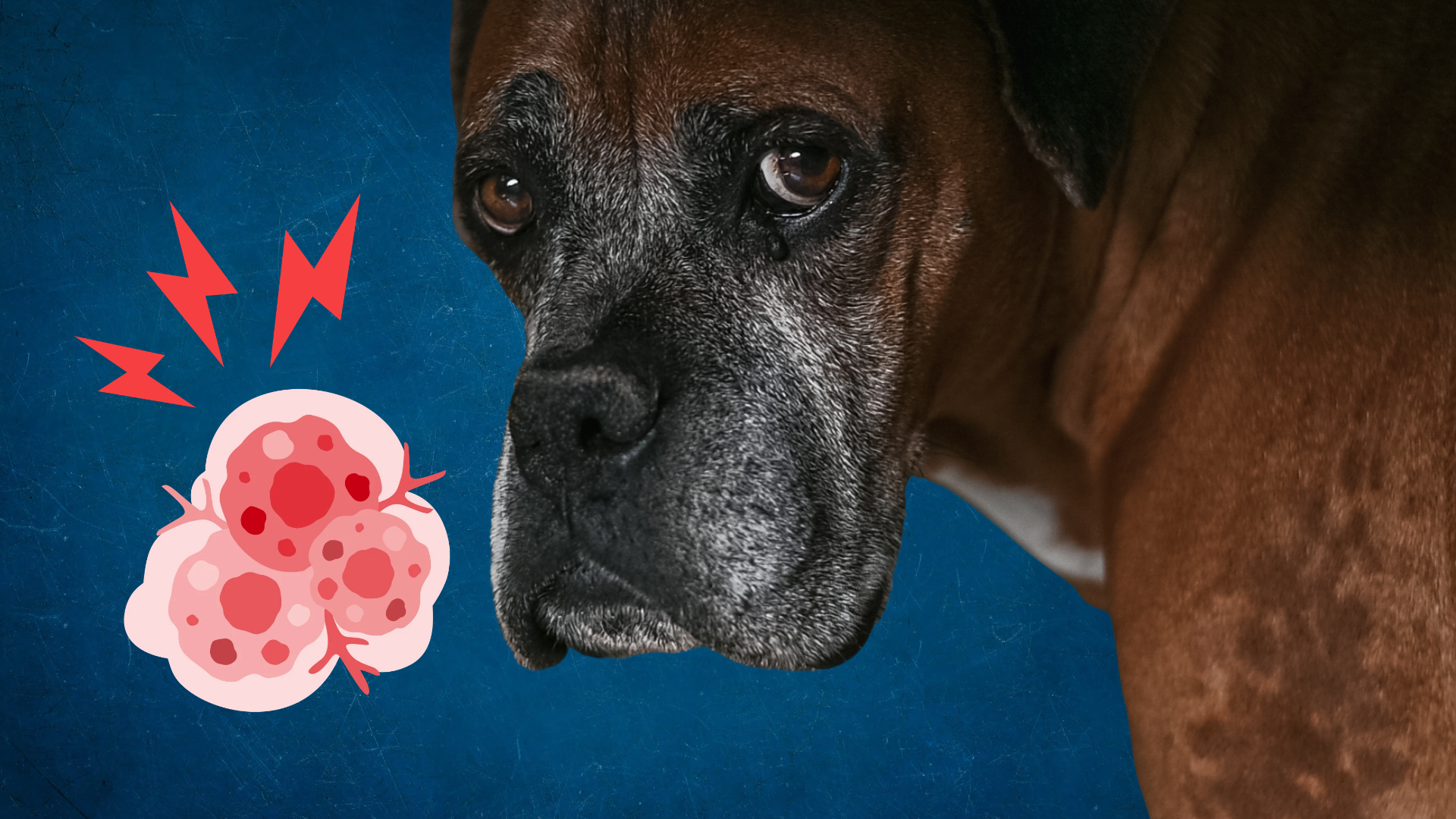
You may discover a lump while fastening your dog’s harness or notice a raised spot when the fur shifts. Suddenly, you are wondering whether it is new, whether it hurts, and whether it could be serious. Cancer in dogs is one possible cause. Miami Pet Clinic urges dog owners to have their pet checked at our Miami veterinary clinic if they have a new growth.
Different Growths Can Look Surprisingly Similar
A dog’s lump could be a cyst, fatty growth, an inflamed area, or a cancerous tumor. Cancer in dogs occurs more often as pets age, and some breeds have a higher risk of particular cancers. However, a young dog can also develop a concerning growth, and an older dog’s lump is not automatically cancerous. Your best course of action is to have the bump evaluated by a veterinarian.
Pay Attention to Changes Beyond the Lump
Possible signs of cancer in dogs include weight loss, sores that do not heal, unusual bleeding, appetite changes, stiffness, and breathing issues. You may notice your dog leaving meals unfinished or becoming less interested in familiar activities. These signs can have several causes, so they are reasons to seek care rather than proof of cancer. Difficulty breathing, collapse, or uncontrolled bleeding calls for an immediate emergency appointment.
Give Your Veterinarian a Clear History
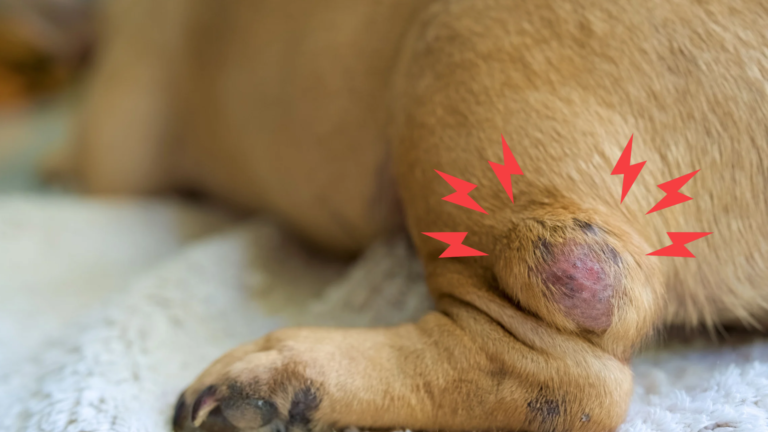
When you discover a mass, contact Miami Pet Clinic and describe where it is and when you first noticed it. Mention any licking, tenderness, discharge, or recent change in its size, and bring a dated photo if you have one. A veterinarian will examine your dog and may recommend collecting cells for a biopsy. Depending on the findings, bloodwork or imaging may also be recommended to investigate your dog’s health. If you have any questions about cancer testing for dogs, ask! Our veterinary team is here to support you as a concerned pet owner.
Use Everyday Care to Notice Something New
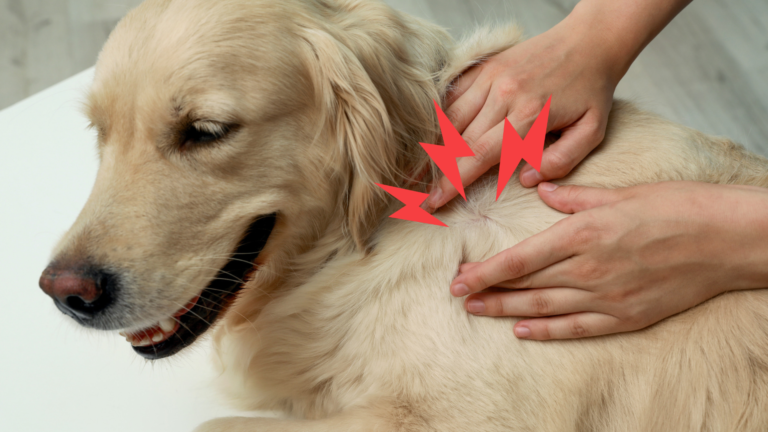
Gentle checks during brushing or quiet time makes changes on your dog’s skin easier to spot, especially as your pet grows older. Run your hands along the head, neck, chest, belly, legs, and tail without pressing or squeezing any growths. Check the inside of their mouth, too! Take a few pictures so the vet can assess any growths accurately.
Some Cancers Stay Hidden Beneath the Surface
Not every cancer creates a growth you can see or feel through the skin. Cancers affecting blood or internal organs may first cause persistent changes in appetite, weight, breathing, or activity. Tell your veterinarian about symptoms that continue or repeatedly return, even when no lump is present. Seeking an explanation for those changes is just as worthwhile as having a visible mass checked.
Talk With Your Miami Veterinarian About a New Lump
A new lump can bring uncertainty, but finding it gives you an opportunity to take the next step. Miami Pet Clinic welcomes dogs and cats from Miami, Little Havana, and East Coral Gables for veterinary care. If you have noticed a bump or another change, contact our team to discuss setting up an exam. If cancer is diagnosed, we can explain the findings and recommendations for further care.